Click to download now, finish the installation quickly, and directly unlock the all-round experience
Screenshots
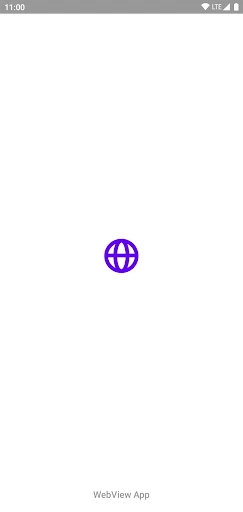
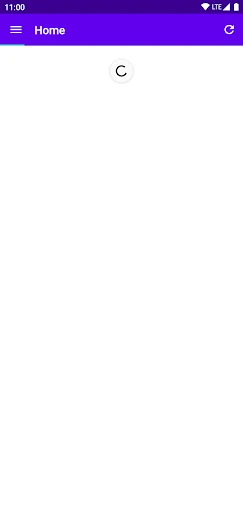
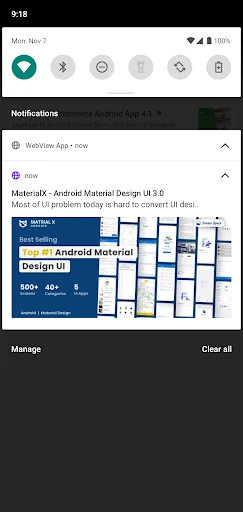
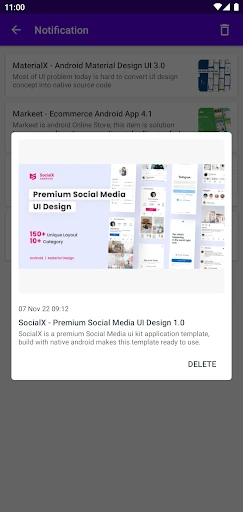
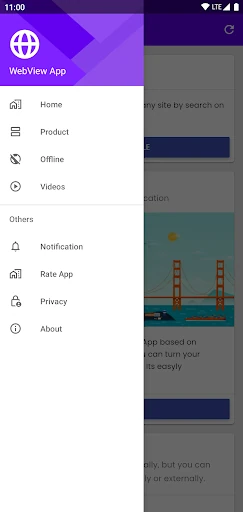
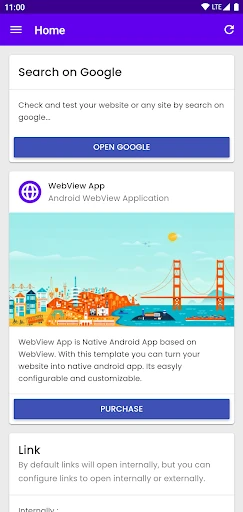
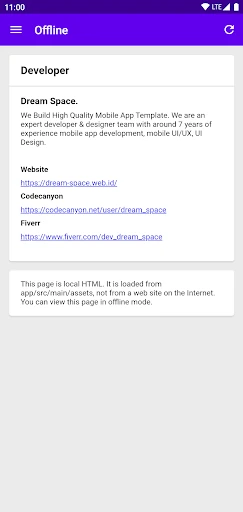
Click to download now, finish the installation quickly, and directly unlock the all-round experience
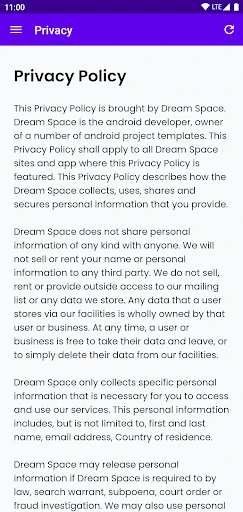
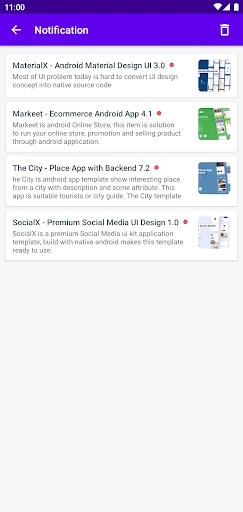
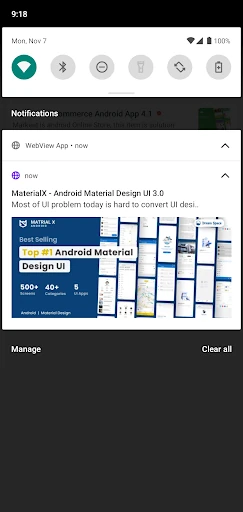
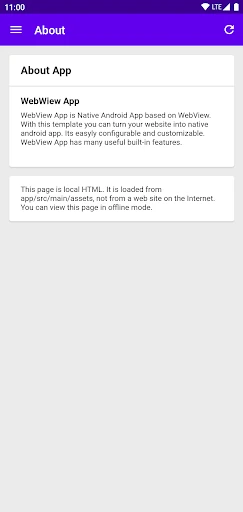
WebView Android App is a template for developers and businesses that want to place an existing website inside an Android application. It belongs to the Libraries & Demo category and is suited to projects where the web experience is already in place, but a dedicated Android package is also needed.
The app centers on the standard Android WebView approach: web content runs inside an Android shell rather than as a separate browser session. This can provide a simpler starting point than building an entire native interface from scratch. The template is intended to be configured and adapted around a particular website, with the source site’s mobile layout playing an important role in the final experience.
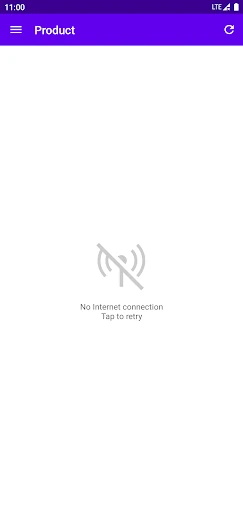
This is mainly for developers, agencies, and small businesses that need a practical bridge between an existing web project and Android distribution. It is less relevant to someone looking for a standalone consumer app with its own content or tools. Results will depend on the website behind the wrapper: slow pages, poor mobile design, or connection problems will remain visible in the Android version.
Developed by Dream Space, WebView Android App has a rating of 3.23 out of 5 from 374 ratings, with 100,000+ installs. Those figures suggest a broadly used template with mixed user feedback. Its value is straightforward: it offers an Android container for web content, while more demanding projects may still need deeper native development and access to device-specific features.